Meet the Meteorologist
What's your favorite weather phenomena?
What got you interested in the weather?
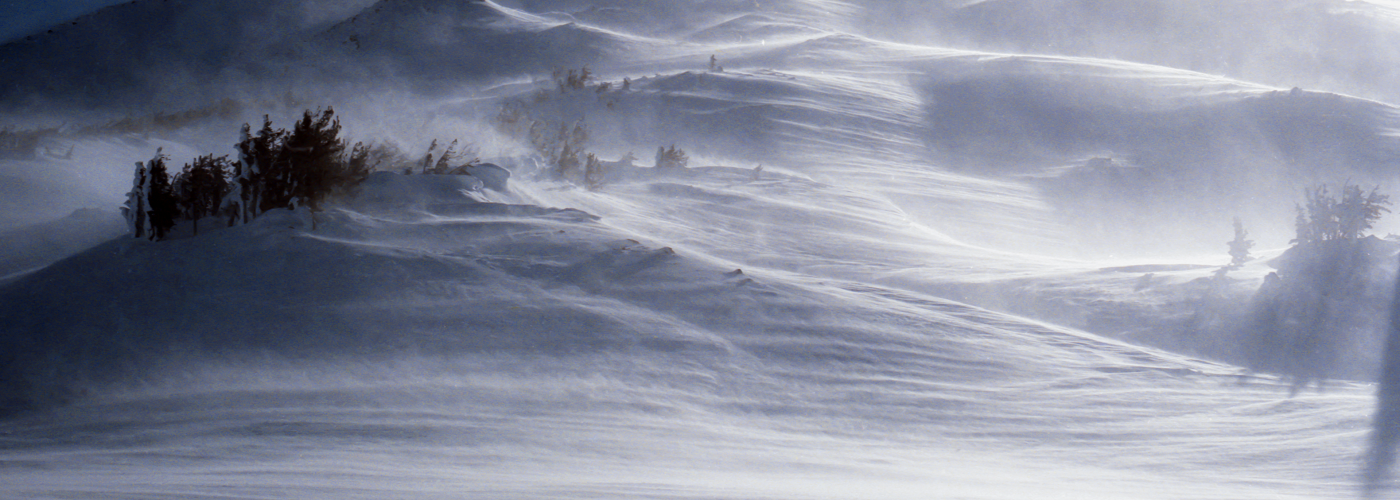

They can bring hurricane-force wind gusts and whiteout conditions. Blizzards are the most severe winter-type storms that Mother Nature can bring. However, not all blizzards bring falling or accumulating snow. So what exactly qualifies as a blizzard?
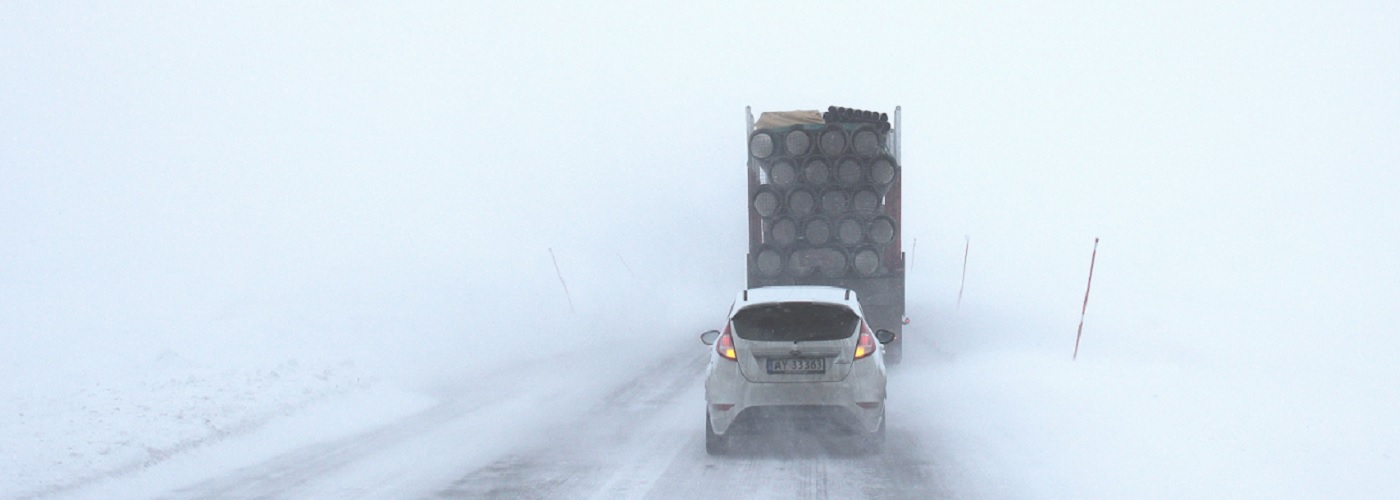
The National Weather Service defines blizzard conditions as having sustained wind or frequent gusts of 35 mph or greater along with enough falling and/or blowing snow to reduce visibility to less than ¼ mile, and these conditions must persist for 3 hours or longer. Thus, a blizzard doesn't technically need to bring any new snow to still nevertheless be hazardous to travel. A ground blizzard can result from strong winds of 35 mph or greater that lofts enough snow that is already on the ground from previous snow events to greatly reduce visibility.
Some parts of the United States experience so many blizzards, on average, each winter that the region has come to be known as “Blizzard Alley.” According to two climatological studies from 2002 and 2017, the Dakotas and western Minnesota experience the most blizzards, with most of this area experiencing at least one blizzard per winter, on average, since the winter of 1959-1960.
The reason that blizzards occur so frequently in Blizzard Alley is due to a combination of factors. The first of which is the favorable topography, with vast, open, treeless landscapes common to much of the Plains allowing strong winds to continue to blow unabated over a large area. Next, the region is far enough north that much of the wintertime precipitation falls in the form of snow, with Blizzard Alley averaging anywhere from 25 to 50 inches of annual snowfall. This region is also well situated to tap into arctic air masses as they push southward out of Canada. Moreover, with Blizzard Alley situated east of the Rockies, they also get impacted by the frequent low pressure systems that intensify and work through. Finally, the colder winter temperatures, on average, up near the Canadian border favor lighter, fluffier consistency to the snow that falls. This fluffier snow is much easier to loft during high-wind events and thus is easier to create ground blizzard conditions than a heavier, wetter-type snow.
 Paul Trambley
 Derek Heit
 Jennifer Wojcicki
 Laura Lockwood
 Ray Miller