Meet the Meteorologist
What's your favorite weather phenomena?
What got you interested in the weather?
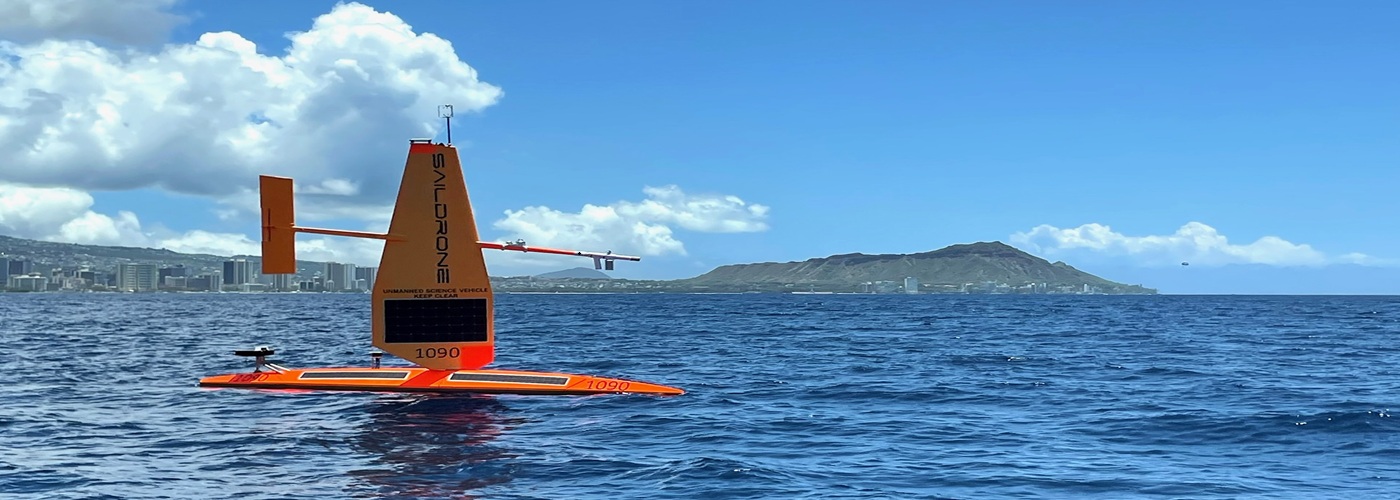

As El Niño continues to strengthen, the National Oceanic and Atmospheric Administration is utilizing tools to measure just how fast that is happening.
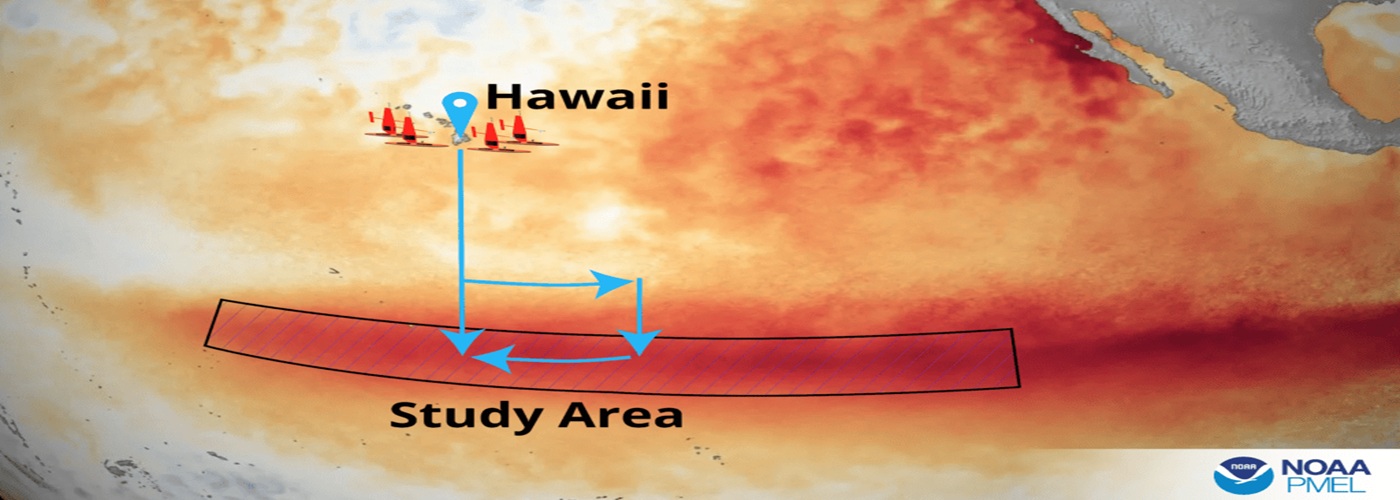
This coming month, the two Saildrone Explorer unmanned vehicles will finish out their four month 6,000 mile round-trip trek to and from the equatorial Pacific. The vehicles started their journey in Honolulu, Hawaii.
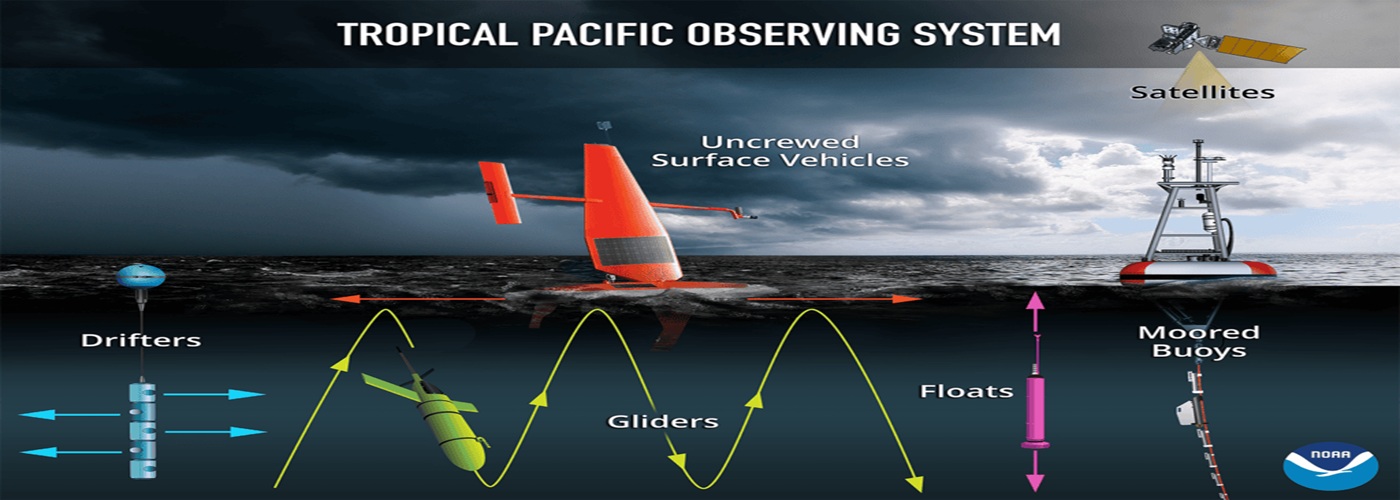
The Saildrones differ from other measurement tools that have been used before to collect data. These tools are collectively referred to as the tropical pacific observing system and include: drifters, gliders, floats, moored buoys and unmanned surface vehicles.
The unmanned vehicles will add to data already being collected by those instruments and satellites. Current data being collected continuously from those include: surface winds, air temperature, humidity, upper-ocean temperature down to 1,640 feet, sea surface temperature, currents and surface observations.
Before returning, they will make their way to the center of an area of heat that has pushed farther east and is being released into the atmosphere which is playing a part in a strengthening El Niño.
The Saildrones will take measurements one yard apart every minute between the current ocean sensors. This extra data will help scientists get a clearer view of what’s happening.
The ongoing El Niño continues to impact global weather patterns. Once the data is collected it will be sent to the operational forecast centers. The data will then be used for current forecasts but also help in long term research as scientists apply their findings to improve later forecasts.



 Paul Trambley
 Derek Heit
 Jennifer Wojcicki
 Laura Lockwood
 Ray Miller