Meet the Meteorologist
What's your favorite weather phenomena?
What got you interested in the weather?


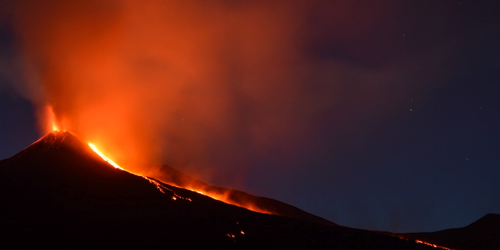
The Black Death remains the deadliest pandemic in recorded history. Beginning in 1347, the disease swept across Europe within a decade, killing tens of millions of people and wiping out more than half the population in some regions. Scientists have long known that the pandemic was caused by the bacterium Yersinia pestis, but why the disease arrived in Europe so suddenly during the mid-14th century has remained uncertain. Recent research published in Communications Earth & Environment suggests that volcanic eruptions may have played an unexpected role.
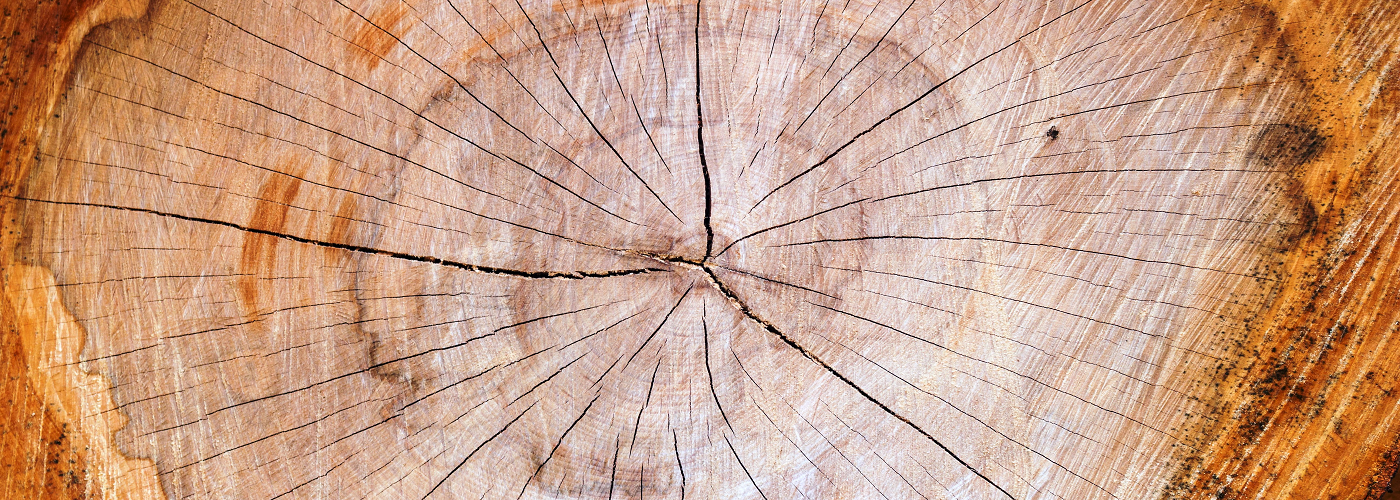
The study draws on evidence from tree rings, ice cores, and historical records. Researchers found that trees across Europe recorded unusually poor growth during the summers of 1345 and 1346, indicating a sharp cooling period. At the same time, polar ice cores show elevated sulfur levels in the atmosphere, a signal that large volcanic eruptions had injected sunlight-blocking particles high into the sky. Together, the evidence suggests that a cluster of eruptions cooled parts of the Northern Hemisphere just before the plague reached Europe.
Historical accounts indicate that these cooler conditions contributed to poor harvests around the Mediterranean. Grain shortages pushed food prices to extreme levels and created growing pressure on Italian governments to secure new supplies. Venice and Genoa had previously relied heavily on grain imported from the Black Sea, but conflicts with Mongol-controlled territories had disrupted that trade.
Facing worsening shortages, Italian merchants eventually restored those trade connections in 1347. Ships carrying grain from Black Sea ports soon arrived in Mediterranean harbors, but they likely carried more than wheat. Fleas infected with Yersinia pestis, possibly surviving in cargo holds among rodents and grain dust, may have traveled aboard these vessels.
Once the ships reached Italian ports, the disease quickly spread to local rat populations and then to humans. From there, the plague raced across Europe along major trade routes, triggering one of the most devastating public health disasters in human history.

 Paul Trambley
 Derek Heit
 Jennifer Wojcicki
 Laura Lockwood
 Ray Miller